Friday, May 26, 2017

Brainstorm 112: Summer Reading Challenge - Set Sail on a Sea of Pages


It’s summer time, so that means it is time for another optional summer reading challenge! This year I’m challenging you to read broader geographically by reading authors from various countries or books set in those countries. You can chart your reading on the map provided showing where you travel via books over the summer (click on the map below for a pdf file). If you want to record the titles you read too, you can write them on the map, on the back or on the suggested sailing routes sheet (list also shared below). I'll share a few ideas for each location in the coming week. Have fun, and happy sailing!


Where will you sail via pages this summer? Here are some ideas. You decide which to do. This is a voluntary challenge. You set your own goals and guidelines.
Trace your summer voyages on your map! Write book titles you read on this sheet, another sheet, or on your map.

  • Read a book by an African author or set in Africa – M on map

  • Read a book set in Antarctica – S on map

  • Read a book by an Australian or set in Australia – R on map

  • Read a book by a Caribbean author or set in the Caribbean – L on map

  • Read a book by a Central American author or set in Central America – K on map

  • Read a book by an East Asian author or set in East Asia – H on map

  • Read a book by an Eastern European author or set in Eastern Europe – F on map

  • Read a book set in an imaginary place – T on map

  • Read a book by an Indian subcontinent author or set in the Indian subcontinent – J on map

  • Read a book by a Middle Eastern author or set in the Middle East – I on map

  • Read a book by a North American author or set in North America – B on map

  • Read a book by an Oceana/Pacific Island author or set in Oceana/Pacific Islands – P on map

  • Read a book by an astronaut/cosmonaut or set in outer space – A on map

  • Read a book by a Russian author or set in Russia – D on map

  • Read a book by a Scandinavian author or set in Scandinavia – C on map

  • Read a sea story (set mostly on a boat at sea) – Q on map

  • Read a book by a South American author or set in South America – O on map

  • Read a book by a Southeast Asian author or set in Southeast Asia – N on map

  • Read a book by a UK author or set in the United Kingdom – E on map

  • Read a book by a Western European author or set in Western Europe – G on map

Bonus Challenges: 

Read a fictional book.

Read a nonfiction book.

Read a collection of poems, essays, or short stories.

Read a graphic novel.

Read a book translated from the author’s original text into a language you read.

Thursday, May 11, 2017

Brainstorm 111: Fantastic fantasy

Today is the Class of 2017’s last day of school here. It’s a bittersweet day. This class had a couple of really great readers who devoured books at an astounding rate (and from whom I fully expect grand novels of their own in the future). All of these super readers have one genre in common that they love, fantasy. These teens came from different cultures and backgrounds but found commonality in that these books inspired their intellects with smartly built fantastic worlds, amazingly imagined new creatures, plot lines that managed to surprise them, and the great exercise of asking ‘What if…?’ I’d frequently overhear some truly deep discussions sparked by these books. Fantasy can be a great medium for readers to discover truths about their own lives and world by seeing things in new ways. So in honor of the super readers graduating in 2017, two picture books that seem written about these book lovers and some fantastic fantasy. Hand these books to your favorite fantasy lover and/or readers who like to ask ‘What if…?’ The best thing about the books on this list is their wide reader appeal. Boys love them, girls love them, middle graders dare to crack the covers of the YA and adult books and adults are unashamed to revisit the middle grade and YA books. And I think that suffices as a Target Reader summary for all of these so I'll forgo that in this post.

Picture Books


A Child of Books by Oliver Jeffers & Sam Winston
An ode to stories and the power of the imagination, that includes an invite to come and enjoy them too. If any book summarizes these Seniors best, it’d be this one.


The Incredible Book Eating Boy by Oliver Jeffers
Henry eats books. No, not metaphorically. He literally eats books. And the more he eats, the smarter he finds himself. He starts setting his sights on being the smartest person in the world, but when his devouring starts to become too much for his mind and stomach to keep up with, he finds he has to give up his strange diet and find another way to devour the information in the books he craves.


Middle Grade Fantasy


The Chronicles of Narnia C.S. Lewis
The classic series about the Pevensies and other children who travel to the magical land of Narnia and work to set things right in the ongoing battle of good versus evil.


The Princess and the Goblin series by George MacDonald
Princess Irene and Curdie have adventures fighting off goblins and discovering important things about themselves as they journey.


Percy Jackson and the Olympians series Rick Riordan
Demigod Percy Jackson works with other demigods to try and keep the world safe from Kronos and his monsters. (Continued on in several other branch off series.)


Alcatraz Smedry series by Brandon Sanderson
A series about a family with…odd talents who must save the world from falling into the hands of an evil group bent on controlling the way people see and understand the world.


The Rithmatist series by Brandon Sanderson
Joel wants to be a Rithmatist, a person who can make chalk circles, lines, and drawings come to life. He knows more than most teens his age do about Rithmatics. He can draw all the circles and stuff, but he missed the 8yr old ceremony and never became one. That doesn't quench his thirst to know as much as he can about Rithmatics, but there's just one problem...only Rithmatists are allowed to take Rithmatic classes. So Joel comes up with a hair-brained scheme to get to do an independent study with one of the Rithmatist professors at the academy he attends and his mother works for. But things get more serious when Rithmatist students start turning up missing with evidence of foul play. Can he and Professor Fitch figure out what is going on before it incites political problems or even war?


The Forbidden Library series by Django Wexler
Alice's world is turned upside down the first time when she accidentally sees her father having a conversation with a real, live fairy. Her world is then overthrown again when her father is presumed dead after the boat he is traveling on sinks in a storm and she is sent to live with an Uncle Geryon she's never heard of. Life there is rather dull, until she follows a cat through a rather unusual library on the grounds of the estate and finds herself inside a book. After this accident, Alice discovers that she is a Reader, someone who can find and use magic in books. Once this becomes known, it is clear that there are many people and other creatures interested in using Alice for her skill. Alice's one goal is to figure out what for sure happened to her father, while others want her to find a special book, the Dragon, that promises to be dangerous in the wrong hands.


Young Adult Fantasy


The Dark Lord of Derkholm series by Diana Wynne Jones
Residents of a fantasy world are fed up with the tours of people coming through to observe them in their fantasy roles so they plan a revolt, with hilarious results. This series pokes fun at all the fantasy tropes and cliches (in love). Best read by those who have devoured numerous fantasies already.


Howl’s Moving Castle series by Diana Wynne Jones
The adventures of the Wizard Howl, his family, and his quirky castle with doors to many lands.


The Beyonders series by Brandon Mull
Jason, 8th grader and baseball pitcher, finds himself entering an alternate universe after getting swallowed by a hippo. (Yes, you read that right. A hippo. Kudos to Mull for finding possibly the most unique way to get to an alternate universe.) Jason finds himself drawn into a quest to save this other world from the evil magician-emperor. As a person from Earth, he is known as a Beyonder. He quickly meets Rachel, another Beyonder around his age who was brought to this world the same time as he was. Some even believe they were called there. He meets all sorts of people and creatures as he finds himself in quite a variety of locations on this quest. (This is a good middle grade/YA crossover series. It appeals equally to both groups.)


The Ranger’s Apprentice series by John Flanagan
This series follows Will as he trains to become a Ranger under apprenticeship to legendary Ranger Halt. (You also get to know some other apprentices training to be knights, ambassadors, and cooks.) They travel much of the known reimagined medieval world as they work to fight evil and right wrongs with their bows and arrows. This is a light fantasy series in that there's not much magic at all except in the first book and it's a reimagined history with different location names and non-historical people but that are based on real historic cultures you can easily identify.


The Harry Potter series by J.K. Rowling
Do I even need to summarize some of these? Good wizards vs bad wizards. The good wizards are headed by the unlikely hero of a boy with a scar showing he managed not to die as a baby, the bad wizards are headed by He-Who-Must-Not-Be-Named. Most fantasy series fade into the background of popularity after a few years, this is showing no signs of fading.

Adult Fantasy


The Hobbit & The Lord of the Rings series by J.R.R. Tolkien
The classic stories about unassuming Hobbits who help save Middle Earth from evil. Seriously, if you don't know what this series is about, you need to rectify that immediately.


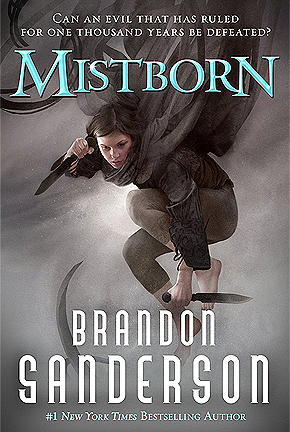
The Mistborn series by Brandon Sanderson
An epic fantasy series that will eventually cover three eras in one place. In the first period (kinda Victorian-ish), mist covers the world and a group of renegades who can use metals to give them special powers work to try and free the world from the evil choking it. In the second time period (kinda Western-ish), two lawmen and a woman fight crime using those same special powers their ancestors did, and uncover further secrets about the world along the way. The third period is as yet unwritten, but Sanderson says will be futuristic.


Elantris by Brandon Sanderson
Princess Sarene arrives for her alliance wedding with the crown prince of Arelon to discover he’s dead. Unfortunately, she’s still married to him. Alone in a new country, Sarene must figure out how she can help her new home because it obviously has some serious political and magical issues. Meanwhile, her supposedly dead husband is inside Elantris, the previously unequalled magical city that for some reason has become cursed and is inhabited by those who wake up cursed with a strange affliction (and are thereby declared dead). Prince Raoden has decided he also must see if he can help figure out how to fix Elantris, his fellow cursed people, and his country. (Sanderson has a sequel in the works, but he is also working on a ton of other series as well, so it’s currently slated not to come out until 2020.)


The Stormlight Archives by Brandon Sanderson
Sanderson’s magnum opus series (and if you haven't figured out by now Sanderson is hands down our teens' favorite fantasy author...the fact that they'll read these books is proof). The series is promised to be ten volumes long. It's an epic fantasy about the broken kingdom of Roshar, ravaged by magical storms, inhabited by a host of peoples playing political games and of which we get to know several characters intimately. Sorry, that’s the best I can do in this amount of space. A proper summary would take about 10 pages. The series is currently at 2 volumes (#3 coming this fall, I've already had students asking to get in line for it) and each volume weighs in at a whopping 1,000+ pages. It’s epic, intricately detailed, and amazingly inspires homework-laden teens to make time to devour door stopper books in less than a week (which is practically miraculous). I delayed buying this series for our library because of the daunting size of the books. I thought students would faint on sight of them. But after lending out my personal copy to several of the students who inspired this post who were desperate to get their hands on these, I realized the size didn't phase them, bought the library copies, and they've proceeded to be devoured by an astounding number of students. It just goes to show, with the proper intrinsic motivation, no book is too long.

Wednesday, May 3, 2017

Brainstorm 110: Books for kids who are moving

As we are entering the last stretch in the school year, our international community always goes through a grieving process. Yes, we’re happy for making it this far. We’re eager for the summer break that’s ahead. But the end of the school year always means goodbyes. There are always students and coworkers who will be moving away, often to a different country. Moves can be tough. So I thought it would be a good time to highlight books that can help kids dealing with a move.

Picture Book Resources


My New Home by Marta Altés
A little critter deals with moving away from a house and friends he loves to a new place. It takes him a while to get adjusted, but eventually he comes to like the new place and new friends too.

Activity Tie-ins/Target Readers:

  • Moving: A great book to use when talking to kids about the hardships of moving. It addresses very real struggles and hurts, while also offering hope. This is the shortest of the books in this list, and best one for the very youngest kids facing moves.
  • Animal Lovers: The main character is an animal (though what kind of animal is up for debate…is it a fox with a striped tail?), so this should be good for animals lovers.
  • Art Lovers: I like the art style in this. It helps convey the mood well. 


Teacup by Rebecca Young, ill. by Matt Ottley
A little boy has to leave his home, so he sets off in a boat with just a book, a bottle, a blanket, and a teacup full of dirt from his old home. The journey is sometimes peaceful and at other times scary, but eventually he finds a new place to call home.

Activity Tie-ins/Target Readers:

  • Moving: This boy is dealing with a very extreme move.
  • Refugees: The text in this is short and eloquent and provides a modern folk tale/fable helping readers better understand the plight of refugees, which is important and beautifully done. 
  • Folk Tale/Fable Fans: As mentioned, the style of this is folklorish.
  • Art Lovers: What really shines in this are the illustrations. They are gorgeous. Full of symbolism and amazing beauty. 
  • Bonds of Shared Experience: The ending also provides a good opportunity to discuss why we like to have others who have experienced the same thing around us.


Alexander, Who’s Not (Do you hear me? I mean it!) Going to Move by Judith Viorst, ill. by Robin Preiss Glasser in the style of Ray Cruz
Alexander is most definitely NOT moving. His parents may be packing, his brothers may be packing, he may be saying goodbyes to people and places, but he's also plotting how to stay. And even if he might be coming around to moving, he's not going to admit it.

Activity Tie-ins/Target Readers:

  • Moving: Viorst managed to make a tale of little boy angst and have him leave well even while sportin' an attitude. He says goodbye to both people and places, which is good for those moving. He relives good and bad memories of his home town, which is important. He expresses his fears about the future, even if he has a negative attitude, it becomes obvious his parents hear him and start to address those fears. And just maybe, some of what they've said is getting through. A good story for those having a hard time moving, or even those who seem to be handling it well. It's always good to check. Ask them if they are tempted to act like Alexander, or if they ever had thoughts like his, worries about the future, or plots to stay. It's a good discussion starter.
  • Humor Fans: The illustrations in this are black and white but so very expressive. Some of them are quite hilarious too. (Make sure to read the headline of the newspaper Mom is reading while Alexander is on the phone with his friend.) And the illustration of his imagined hiding in the pickle barrel is too funny. 
  • Realistic Character Fans: Alexander is a very believable character for those who like their stories true to life.


Gila Monsters Meet You at the Airport by Marjorie Weinman Sharmat, ill. by Byron Barton
A boy is moving with his family from the East (which looks like New York City) out West. At first the boy is in denial about moving. He starts listing his worries and sharing his vision for what life will be like out West. (Much of which is hilariously ridiculous, though very believable to be concerns about a kid in a new place.) When he arrives out West, he meets a kid moving East. This kid shares his fears about how horrible life will be in the big city out East. Like our main character, much of what he fears is hilariously ridiculous. Thanks to that encounter and the evidence of his own eyes, our boy finds that many of his worries were not founded on facts, that there's much familiar, and maybe he can enjoy this new place too.

Activity Tie-ins/Target Readers:

  • Moving: This is a great read for anyone preparing for or recovering from a move. 
  • Point of View: It's also a good book about perspective and point of view, with the main character’s view compared with the kid from the West’s view.
  • New Experience Worries: Moving isn’t the only thing that inspires worries; reading this is a good jumping off point to talk about the worries before any new experience. 
  • Worries about Next School Year: This point goes along with moving and new experiences. Kids may not be moving houses, but most of them will face a move in classroom next year. And there are always rumors about the next grade or a certain teacher. This may be a good book to read with kids and talk about their concerns for next year. You can also talk about how they can end the school year well. Do they need to say goodbye to the classroom they've spent so much time in this year? Do they need to be purposeful in saying goodbye to teachers they will only see occasionally in the future?
  • Hyperbole: If you’re looking for some examples of hyperbole, look no further than the boy’s vision of the West or the other kid’s vision of the East.
  • Humor Fans: That hyperbole makes this a fun and humorous read.


Double Happiness by Nancy Tupper Ling, ill. by Alina Chau
Gracie and Jake are moving. Moving away from their extended family to a new place with a new climate. Their Nai Nai (Grandma) gives them each a box to fill with memories they can take with them when they move. Told through a series of poems, the two Chinese American kids process moving and figure out what to put in their boxes.

Activity Tie-ins/Target Readers:
  • Moving: Moving is often a traumatic experience for kids, and this perfectly encapsulates the highs and lows of that experience, putting it into just the right words, and great strategies to make the move easier. 
  • Chinese Culture: This has an interesting cultural flavor with some transliterated Chinese and some Chinese characters that are used throughout. 
  • Poetry Fans: The text in this is all in poetic form. 
  • Contemporary Fiction Fans: Another good pick for readers who like realistic stories.

Another possibility: There are tons and tons of various versions and adaptations of Disney/Pixar's Inside Out in book form. Many of them are also good for kids dealing with a move, as that is a main issue in the plot.

Middle Grade Fiction Resources


Book Scavenger (Book Scavenger, #1) by Jennifer Chambliss Bertman, ill. by Sarah Watts
Emily's family is moving again. Her family's quest to live in all 50 States is starting to get a little old. It's the reason Emily usually tries not to make friends in new places. But her new neighbor James is another puzzle enthusiast and the same age, and before Emily realizes it, she's made a friend. She's not too used to this friend thing, and she might struggle with knowing how to be a good friend. Especially when she has to choose between taking time for her friendship or pursuing the next step in what she's sure is Mr. Griswold's next game. Emily's one constant in her past few moves has been her participation in Book Scavenger, a game created by Mr. Griswold where people hide books, solve puzzles to find books, of course read books, and move up the Book Scavenger sleuthing scale. When Emily and James stumble on a strange copy of Edgar Allan Poe's Gold Bug, she's sure it is part of Mr. Griswold's new game he was about to announce when he was mugged the day her family moved to San Francisco. Is she just imagining the puzzles? Will her obsession with the game cost her her friendship with James and him a swatch of hair in his cipher contest at school? Who else is after The Gold Bug and how far are they willing to go to get it?

Activity Tie-ins/Target Readers:

  • Cipher/Puzzle/Mystery Fans: Fans of Escape from Mr. Lemoncello's Library and Westing Game are sure to love this. Not only because Emily mentions both books, but because of the ciphers and puzzles and the great big scavenger hunt/mystery involved in the story. Those who love to exercise their brain a little as they read will enjoy trying to figure out things with Emily and James. (And Bertman mentions in the back of the book some other similar gamest/challenges that are real, and as of October 2015, this book sparked the creation of a real Book Scavenger game.) Definitely a fun adventure/mystery for book and puzzle lovers. 
  • Moving: Kids who move a lot will also greatly identify with the issues Emily is dealing with about moving a lot such as being afraid to open up to new friends or getting too attached to a new place because then it'll just hurt more to leave. She makes progress in addressing these issues as the book progresses.
  • Friendship & Forgiveness: Emily learns some important things about friendship and forgiveness, along the way. And hopefully, readers can learn vicariously without making the same mistakes. 


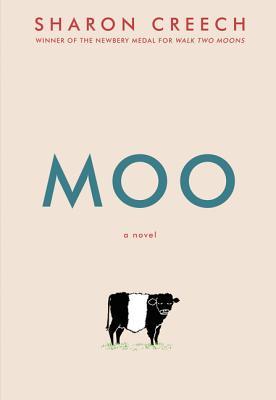
Moo by Sharon Creech
After Luke and Reena's parents lose their jobs at a New York City newspaper, the family decides to move to Maine. Upon arrival, Reena finds the freedom to ride their bikes everywhere around town amazing. She does not find being volunteered to help curmudgeonly Mrs. Falala take care of the even worse tempered cow Zora, and neither does her little brother Luke. Zora seems to think it is her goal in life to make Reena's life as hard and muddy as possible. But then Mrs. Falala starts to get art lessons from Luke and seems to mellow a little, and Reena gets cow handling advice from experienced cow hands, Zep and Beat. Reena's going to need all the help she can get because Mrs. Falala wants her to show Zora at the fair.

Activity Tie-ins/Target Readers:

  • Unique Text Format: Creech decided to use a blend of novel in verse and normal prose, which could be off-putting to some readers. I personally thought it was a good choice, as often the verse lent itself to express things that normal prose never could. 
  • Moving: Luke and Reena deal with a little bit of culture shock in moving from city living to a more rural village, and they have realistically mixed feelings about that. 
  • Domestic Animal Lovers: Cows aren’t a frequent main character in modern middle grade fiction, so I’m sure there are several readers out there who have been waiting for Zora to make her appearance and will love her.
  • Art Lovers: Luke is an artist, so those who like main characters who are artistic will like him. Art also is an important medium for helping Luke and Reena better connect with Mrs. Falala.
  • Contemporary Fiction Fans: A relatively quick read for those who like contemporary reads in a rural setting.


Thursday, April 27, 2017

Brainstorm 109: Unusual Mammals of Central & South America in Books

This week we’re looking at books that feature lesser known and/or unusual Central & South American mammals. Why? Because they are tantalizing literature stars.

Picture Book Fiction Resources


Sparky by Jenny Offill, ill. by Chris Appelhans
A little girl desperately wants a pet. Her mom says she can only have a pet that does not need to be walked or bathed or fed. Ever resourceful, the little girl consults her school librarian and discovers that a sloth would be the perfect pet that meets her mother’s requirements. So she sends off an order and soon enough her very own sloth arrives. She dubs it Sparky. Sparky does not quite impress like other pets, but the little girl still adores him.

Activity Tie-ins/Target Readers:

  • Sloths: Yep, this features one of those South American slow pokes.
  • Sloth Fans: There seems to be this growing group of people who just can’t get enough sloths in their lives. They’ll be happy to meet Sparky.
  • Thinking Outside the Box: This little girl sure knows how to think outside the box. And she uses great resources in her research too.
  • Unconditional Love: It’s sweet that the girl in this loves Sparky even though he doesn’t quite inspire the excitement another pet might. 
  • Animal/Pet Lovers: This is a sweet pet story for any animal lover.


Sloth Slept On by Frann Preston-Gannon
Three children find a strange creature in the backyard. After asking a few unhelpful adults, the children do their own research and eventually figure out what the creature is and where it comes from. Observant readers, though, will realize the children have not been observant and make one big mistake.

Activity Tie-ins/Target Readers:

  • Sloths: I’m sure you figured out from the title that this book also featured sloths. What you can’t tell from the title is that this book weaves some great information on sloths into the story.
  • Sloth Fans: I think this is pretty self-explanatory.
  • Compare/Contrast: Read this book and Sparky and compare the research processes, how helpful the adults are, and how astute the children are.
  • Humor Fans: This has a couple points that will tickle readers’ funny bones, especially as sloth manages to sleep through some very important things going on around him.
  • Yeah Research!: The story features some subtle plugs for being able to do your own research. I’m all for encouraging research skills.
  • Natural Habitat, Home or Not?: This sloth ends up back in sloths’ natural habitat but that may not be such a good thing. And this brings up a chance to talk about why this sloth might not do well in the Amazon and/or what steps would need to be taken to make the transition a success. Plus other hows, whys, and ifs of whether animals can be sent back to the wild after periods of captivity or being born outside of their natural environment. Of course, to have this discussion go well, you’ll need to do some more research. To add some spice to the debate/research/thinking you can also ask if there is ever a good reason to take a creature out of its natural habitat. (Just one research hint to help pros/cons: tree lobsters.) 

Picture Book Nonfiction Resources


Olinguito, de la A a la Z! = Olinguito, from A to Z! : descubriendo el bosque nublado = unveiling the cloud forest by Lulu Delacre
This bilingual picture book introduces readers to the flora and fauna A to Z commonly found in a cloud forest in Ecuador. Further information on olinguitos, cloud forests, and scientists who study them is included in the back of the book. The entire text including the further notes is provided in both Spanish and English.

Activity Tie-ins/Target Readers:

  • Olinguitos (and more): Olinguitos are one of the most recently discovered mammals on the planet, so there aren't a ton of books out there on them. This book provides several great bits of information about them, and some of the other animals and plants you can find in cloud forests.
  • Spanish/English Bilingual Books: The primary text for this is the Spanish, so some of the pages don't feature many creatures/plants in the English letters but if you look at the Spanish names for the same animals, those will match the alphabet letter for that page. Great for those working on either English or Spanish, as well as providing a fascinating tour of the cloud forest. 
  • Alphabet Book Fans: This is a Spanish alphabet book to provide a little new twist for alphabet book fans.
  • Hide-n-Seek: The author/illustrator hid a couple things in each page spread for readers to find, making this a book that will provide hours of entertainment on top of being informative.
  • Nature Fans: A great pick for little readers fascinated by the world outside.


Tree of Wonder: The Many Marvelous Lives of a Rainforest Tree by Kate Messner, ill. by Simona Mulazzani
1 almendro tree in the rainforest hosts a great number of other creatures in its branches. Each page spread features a different creature living in, on or under an almendro tree, and the numbers double with each spread, culminating with 1024 leaf cutter ants. Each number is written numerically as well as shown visually with that number of critters. Further information and math word problems of varying levels are included in the back.

Activity Tie-ins/Target Readers:

  • Fruit Bats, Howler Monkeys & More Rainforest Critters: There are several different creatures featured in this book but the mammals are fruit bats and howler monkeys. Make sure to pick it up if you’re curious about or studying the rainforest.
  • Math/Science Combo: If this book looks familiar, I featured it in Brainstorm 61 posted March of 2016 as a great math/science combo book that makes both topics fun. 
  • Math: There are several math concepts tackled here, especially visualizing multiplication and big numbers. And as mentioned, there are math word problems in the back of the book.
  • Ecosystems/Symbiotic Relationships: Usually books focus on one organism and just barely mention the broader ecosystem. This looks at the big picture, and therefore you get to see how all these organisms interact together, making it a fantastic resource if you’re covering/studying ecosystems or symbiotic relationships. 
  • Curious Readers/Nature Fans: This isn’t just a book for classes, it is a great fun read too. Hand this to curious readers or those who love the natural world.


Middle Grade Fiction/Drama Resource


The Capybara Conspiracy: a novel in three acts by Erica S. Perl
While new student Dev is waiting for his paperwork to get sorted out in the principal's office of Farley Middle School he meets three other students who tell him a tale of the past week and the drama that unfolded when a theater actress fed up with the school's emphasis on sports decides to take action with another non-sporty friend. Perhaps the school's beloved live mascot Cappy the Capybara is the key to getting attention. Soon they attract the "help" of a boy who got cut from the baseball team and an animal rights activist girl. And oh boy do things not go according to plan. At least that's the story they tell Dev, but at the very end Dev is left wondering if anything he just heard was true.

Activity Tie-ins/Target Readers:

  • Capybaras: The South American cuddly rodent features prominently in this tale.
  • Theater Fans or Theater Newbies: This is written in play form, and is a play perfect for a middle school production (information about getting rights to do the play is in the back of the book). It can be done well very simply, or could be an elaborate production. It's very adaptable. The setting is contemporary America, but could be set anywhere (the author even encourages adaptation in setting in the back). Perl includes info on play jargon and performances in the back of the book that are great helps. I recommend reading those first for people new to reading plays. 
  • Satire: Need an example of satire, or just enjoy them? Pick this us. Modern audiences will get the tongue-in-cheek pointed look at school's that over-emphasize just one part of extracurriculars and how easy it is for middle schoolers to make foolish mistakes as they are swept along by their peers. 
  • Stories with a Plot Twist Fans: There's the fun twist at the end that will spark debates about what just happened. Was the story just a story, or did it really happen?
  • Contemporary Fiction Fans: Those who like stories that could be happening just down the street should enjoy this.


Middle Grade/YA Nonfiction Resource


The Tapir Scientist: Saving South America’s Largest Mammal by Sy Montgomery, photos by Nic Bishop
Sy and Nic take readers to the area called the Pantanal in South America, where Brazillian scientist Pati Medici is researching tapirs. Readers get to experience the joys and frustrations of trying to track and collar tapirs in the wild, and learn a lot about these elusive creatures along the way.

Activity Tie-ins/Target Readers:

  • Tapirs: I never knew that much about tapirs before reading this, so I found it very informative on the animal. It's also a nice look at the Pantanal area, and it is an honest look at how hard it can be to trap animals for study. There's a wealth of further online resources in the back of the book too.
  • Real Scientist Life: This is a great pick for kids and teens who are interested in going into field science, as it will give them a nice reality check about what it can really be like. 
  • Ecosystems: Also, this is a good companion book when studying ecosystems, as it talks a bit about how the tapirs are an integral part of theirs. 
  • Kids Can Have an Impact: There's a great example of how one school boy made a huge impact in Pati's studies, so kids who want to get involved now in science could find this inspirational. 
  • Animal Lovers: And of course, it's an excellent pick for animal lovers. 


Thursday, April 20, 2017

Brainstorm 108: Understanding Poverty

It’s time to work on our heart muscles. No, we’re not going for a run, we’re going to work on empathy and building understanding for those going through tough stuff. Here are eight fiction books which help readers better understand those who are impoverished, possibly homeless, or just going through a season of financial hard times.

Picture Book Resources


Yard Sale by Eve Bunting, ill by Lauren Castillo
Callie's family is moving. She's not entirely sure why but she thinks it has something to do with money. They're selling off most of their things in a yard sale because they won't fit in the new apartment. Callie doesn't like watching her things go. But one little comment makes her realize she still has the most important thing, her family, and that's all she really needs.

Activity Tie-ins/Target Readers:

  • Understanding Downsizing/Tight Finances: This could be a helpful book for families going through tough times, and it’d be great for friends of those families too.
  • Heart Check & Materialism: Regardless of your finances, this is a good book for kids with touches of materialism (or adults for that matter) to remind them what is really, truly important. 
  • Contemporary Fiction: If you’re looking for a well-illustrated, tender contemporary read, this fits that bill too.


On Market Street by Matt de la Pena, ill. by Christian Robinson
Every Sunday after church CJ and his nanna board the bus to go help out at the soup kitchen. Along the way CJ complains about taking the bus and going to the kitchen, but encounters with some people - and the wisdom of his grandmother - help him change his mind and be grateful for the small blessings.

If you haven’t heard of this book, welcome back from your year of doing research in Antarctica or living off the grid. I know it has been in news a lot since it swept up tons of awards in 2016, including a surprising Newbery win for a picture book. Consider this just a reminder that it is a good book in this category.
Activity Tie-ins/Target Readers: 

  • Gratitude: There's a lot in this story, but one of the points is being thankful for the senses you have and other things you take for granted. 
  • Get Your Super Vision: You don’t need to be a super hero to have super vision, you just need to pause and be alert enough to see beauty where others don't. It’s a skill the protagonist in this learns.
  • Joys of Helping: CJ also learns about the joys of helping others and doing so with dignity.
  • Feel Good Story Fans: Overall, this is a heartfelt story with relatively simple illustrations that say just enough.


Middle Grade Fiction


Death by Toilet Paper by Donna Gephart
Ever since his dad died last October, Ben and his mom have been doing their best to fulfill Dad's Grand Plan. His mom is really close to taking her final test to be certified as an accountant, but in the meantime it has been tough making ends meet. It's the little things that start to get to Ben, like only being able to afford the super cheap toilet paper. He's doing his best to help. He enters all the sweepstakes he can, hoping to help fulfill his promise to his dad to help his mom make ends meet. And as if life weren't crazy enough, his Grandpa Jake shows up to stay with them since his memory's starting to go and he can't be on his own any more. When the landlord just can't give them any more breaks, it looks like they may lose their apartment if Ben can't come up with a way to make the extra money until his mom can pass her certification test.

Activity Tie-ins/Target Readers:

  • Serious/Might-Make-You-Cry Contemporary Story Fans: Every once in a while I get a student asking for a book that will make them cry. This would be on my list of recommendations for them. I actually have to warn kids who think the cover looks funny that this is a whole lot more serious than the cover suggests. Gephart does try to lighten grief and money problems with toilet paper cravings and toilet paper facts strewn throughout the book. It still deals with some very real life issues, though and many readers may need some tissue (or nice toilet paper) on hand for tears every once in a while. Eventually, there's a heartwarming ending in store, though it might not be brought about quite the way some readers expect. 
  • Understanding Tight Finances: A good read for kids to understand what someone going through tight money times might be feeling.
  • Understanding Grief: Ben provides one example of how grief can be expressed. His mom provides another. And both of them are starting to grieve over Grandpa Jake’s memory loss too. There are many faces to grief, and this may help readers better understand those grieving.


Crenshaw by Katherine Applegate
Jackson is a science-minded boy who likes facts, good solid facts. So he is a little upset when his imaginary friend from when he was seven shows up uninvited. Crenshaw is a cat. A rather large cat, who wears a baseball cap, likes to take bubble baths, does hand stands, and talks. And only Jackson can see him (with the possible exception of Jackson's real life dog Aretha). Jackson tells Crenshaw to go away, but Crenshaw says he's here for a reason. Jackson is afraid of what that reason might be. Last time Crenshaw hung around was after his Dad got sick and both his parents lost their jobs. They had to live in their car for a while, which was not fun. Though they've been back in an apartment for a long time now, Jackson has noticed the signs that money is really tight again. Just how bad has it gotten? And is he going crazy seeing a great big talking cat all the time?

Activity Tie-ins/Target Readers:

  • Sweet and Fun Story Fans: This is an absolutely adorable story! Applegate brings tight money times and the plight of homeless families to life in a way that is authentic, honoring, and sweet but not the wrench your heart out and leave it a sobbing mess on the floor kind. Crenshaw brings just the right touches of lightness and humor and hope to a story that could be really, really sad and hard to read, but it isn't. Applegate was able to maneuver a fine line and come up with just the right mix, like a perfectly flavored sweet and sour sauce. 
  • Goofy/Likable Character Fans: I adored Crenshaw, his goofiness mixed with definite cat attitudes, but also moments of insight. Jackson is a likable character too. He is a kid who really wants to help his family but often feels like his hands are tied and that frustrates him. He craves honesty, but at the same time is a tiny bit scared of it too. He reads like a very real kid. 
  • Tight Finances/Homelessness: Jackson helps kids understand those who live in poverty and know what homelessness is like. He also provides a relatable character for homeless kids. (Applegate had some homeless kids help her with the book before it was published. See her note in the book about this.)
  • Psychology: Pysch classes may want to pick apart why they believe Jackson sees Crenshaw at this traumatic time in his life. Others will want to ignore the psychologists and just enjoy the story.
  • Literary Allusion: There’s an allusion to the play Harvey at the beginning. I can see touches of it in the story and those familiar with Harvey can see if they can find those. Not to say that this is a rewrite of Harvey in book form. This is all its own story and Crenshaw isn't identified as a Pooka.


Almost Home by Joan Bauer
Sugar Mae is a strong, plucky 6th grader with a knack for words. That's a good thing. Because she needs her strength when her no good, gambling father comes around and swindles her mom out of more money with his sweet talking and empty promises. Her mom is trying to do the best she can, but eventually they lose their house and end up on the street. Life on the street isn't fun. They go from a cousin's house to a shelter to another shelter in Chicago, but still there's no breakthrough coming. Sugar knows she has to be strong for Reba. A little bundle of fur named Shush entrusted to Sugar in a grocery store parking lot proves some extra encouragement. But even the cutest puppy in the world and the pluckiest 12 year old have limits to what they can do, especially when Reba has a breakdown and ends up in a psych hospital. Will they ever be home again, like when her grandpa King Cole was alive?

Activity Tie-ins/Target Readers:

  • Heartfelt Contemporary Fiction Fans: Joan Bauer has this special talent of knowing just how to get to your heartstrings with her writing. Those prone to cry at Hallmark movies or commercials should have a box of tissues on hand. It is a hard story at times, but eventually hopeful.
  • Understanding Homelessness/Low Income/Foster Kids: Bauer tackles a huge, hard topic in homelessness and instability among low income families. And she does it with tact and respect. It is clear anyone could end up in such a situation given the wrong circumstances. And she manages to touch on a host of possible ways this can look, from sleeping in a car to shelter life to a bad foster home situation and eventually a healthy foster home. There are also others Sugar meets who have gone through similar traumas, like neighbors across the street, other people at the shelters, and even the foster mother who finally helps bring some stability to Sugar's life. 
  • Strong, Wise, Loving Adult Characters: Middle grade fiction is notorious for a lack of strong adult characters. That’s not the case here. Yes, Sugar’s mother needs help. But Sugar has others to fill in for her in the meantime. I love Sugar’s final foster home parents. They rock! So does her 6th grade teacher who stays in touch with her via email. Those three offer a balance to the not-so-responsible other adults in the story. And they illustrate a proven fact - that successful kids need multiple adults pouring into them. 
  • Voice: Bauer has given Sugar a distinct and memorable voice. She’s got some pluck, early maturity thanks to her circumstances, and phrases from her beloved grandfather to quote. It’s a great example for teachers talking about voice in writing.
  • Puppy Lovers: Honestly, I think most readers pick up this book for the cover. It’s pretty hard to resist that puppy. And Shush is around to add adorable puppy antics in the story too, which may be all some readers need to keep turning pages.


Ghost (Track, #1) by Jason Reynolds
Castle (Ghost) Crenshaw is the next best basketball player (even though he's never gotten on the courts), is from the wrong side of town, is somewhat obsessed with world records, has some trouble knowing what to do with the screams inside, and tries to hide the fact that his dad's in prison for trying to shoot him and his mom. On the night his dad shot at them, Ghost discovered he can run really fast when he needs to. But he never really thought about running as a real sport, until the day he accidentally lands himself on a club track team and his mom actually agrees with the coach to let him join. He has to make sure there are no incidents at school and that his homework gets done, and coach holds him to both. Ghost thought he'd just be learning to run, but maybe joining track will help him learn how to stop running from issues he's ignored for years.

Activity Tie-ins/Target Readers:

  • Sports Story Fans: Track fans get reading. Especially since there will be more stories coming about Ghost’s teammates. And don’t worry, it isn’t quite as predictable as some other sports stories. It doesn’t end with the star winning or dying, instead it leaves you hanging a little. 
  • Contemporary Fiction Fans: Some readers just prefer for their characters and settings to be something they could find in real life. Ghost could live down the street.
  • Understanding Inner City/Low Income/Children of Inmates: This story read incredibly authentically. Ghost feels like a kid who could have come out of the inner city. And the situation is a quite plausible hopeful story about how one such kid would meet a coach who could get behind the walls he's built and help him start to turning his life around.


Young Adult Fiction


Saving Red by Sonya Sones
Molly is finishing up her freshman service hours by helping with the homeless count in Santa Monica, Califonia when she first sees Red, a teenager sleeping on a bluff above the beach. Molly can't get Red out of her head, and during an amazing moment on the ferris wheel the next day when she meets Cristo (quite possibly the most amazing guy ever - and he seems to like her!) they see Red dancing in another car. Molly gets the idea that she should try to help Red get reconnected with her family for Christmas, and shares her plan with Cristo. He's 100% behind the plan, but off to New York City with his family that night for the holidays. So it's just Molly, and her faithful dog Pixel, to carry out Operation Red. The truth is that Molly has other reasons she wants to - needs to - help Red, reasons she's not willing to admit to herself.

Activity Tie-ins/Target Readers:

  • Novel in Verse Fans: Those who like quick reads that say an awful lot in just a few powerful words should pick this up.
  • Understanding Homelessness/Mental Illness/PTSD: This book did a great job of portraying homelessness and mental illness (a combination that happens a LOT, ~75% of the time among the chronically homeless). I say that as someone who used to work with an organization that helped the homeless in the LA area. This reads authentically. It also touches on PTSD and suicide prevention in a respectful and helpful way. I loved that the author included so many resources in the back for those who need further information or help in several areas. Read this if you want to better understand the homeless and how to help them with dignity.
  • Cute, Light Romance Fans: There's a cute, super light romance in this as Molly and Cristo get to know each other. 
  • Heartfelt Contemporary Fiction Fans: This could have been really heavy, but it doesn’t feel that way. Partly that’s due to the free verse format. Partly that’s because of Molly and Cristo’s budding romance, and Molly is trying really hard to be a good friend to Red. Eventually, everything isn't 100% fixed, but everyone seems to be on a better road, and it's a very heart-warming ending. 


Now Is the Time for Running by Michael Williams
Deo's village in Zimbabwe had people who voted "wrongly" in the last election, so the President's soldiers come to punish the town. Deo and his older brother Innocent (who has special needs) are the only ones to escape alive. They make it to another village where a friend lives who gets them smuggled down to the South African border. From there, the brothers are escorted across the border through a wildlife park and given jobs at a tomato farm. But the nearby town resents the refugees who steal their jobs and Deo decides they should head to Johannesburg to try and find a better place, but they arrive in the middle of the 2008 xenophobic riots and the city isn't safe for them either. Without a home or friends, Deo succumbs to despair until a man recruits him to play street soccer.

Note: This not for everyone. There is some swearing, and Deo witnesses some brutal killing in his village. Glue sniffing becomes a crutch one character must overcome.

Activity Tie-ins/Target Readers:

  • Contemporary African Setting: There aren’t a ton of books out there in English set in contemporary Africa. If you’re looking for them, this is one of the few.
  • Refugee Experience/Homelessness/Special Needs Characters: So many of us have no idea what many refugees experience in their trials to find a place to belong. Deo's story is definitely hard to read, but also important in that it illustrates very real issues other people in the world are currently facing. Of course, his problems were compounded because he was trying to also take care of his special needs brother at the same time. Though this is a harsh read at times, I recommend it for those who want to better understand the plight of refugees, not as numbers, but as people.
  • Soccer Fans: Soccer is a huge part of Deo’s life throughout the book, making this a good one for soccer fans.
  • Street Soccer World Cup: I had never heard of the Street Soccer World Cup, but I'm so glad to know it is a real thing and has a high success rate of getting young homeless people off the streets. What a great thing!